
Key Highlights:
- Different gemstones require specific cleaning methods and frequencies.
- Proper storage prevents scratches and maintains gem brilliance.
- Daily habits significantly impact the longevity of handcrafted pieces.
- Professional maintenance ensures the structural integrity of settings.
- Chemical exposure is the primary threat to most gem jewellery.
Introduction
Owning gem jewellery means accepting responsibility for its preservation. Unlike mass-produced pieces, handcrafted jewellery in Singapore often features unique settings and carefully selected stones that demand thoughtful maintenance. The artisan’s work deserves respect, and proper care ensures your investment retains both beauty and value.
Knowing Your Gemstone’s Personality
Not all stones tolerate the same treatment. Opals despise sudden temperature changes and will crack if exposed to heat or excessive dryness. Pearls react poorly to acidic substances, including perfume and even skin oils from particularly active wearers. Emeralds typically contain natural fractures filled with oils or resins during cutting, making ultrasonic cleaners absolutely catastrophic for these stones.
Sapphires and rubies, being corundum, rank just below diamonds in hardness and tolerate more robust cleaning. Turquoise and malachite are porous and will absorb lotions, soaps, and chemicals that permanently alter their appearance. Before cleaning any piece of gem jewellery, identify the stone type and research its specific vulnerabilities.
The Weekly Gentle Clean
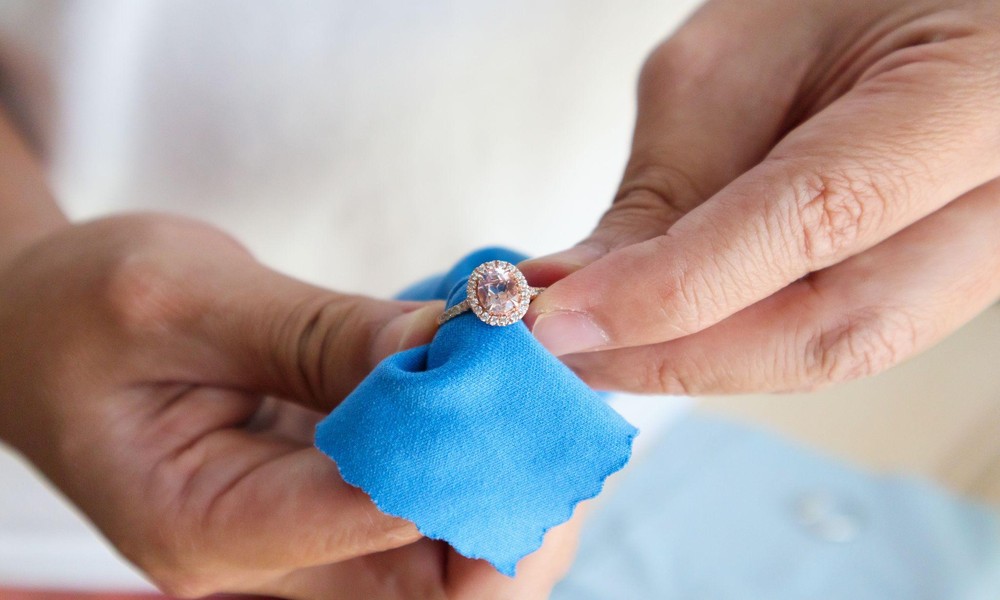
Most handcrafted jewellery in Singapore benefits from weekly attention using lukewarm water and a few drops of mild washing-up liquid. Mix the solution in a small bowl, let the piece soak for ten to fifteen minutes, then use a soft-bristled brush (a clean baby toothbrush works brilliantly) to dislodge dirt from around settings and beneath stones.
Rinse thoroughly under running lukewarm water whilst holding the piece over a plugged sink or bowl. Pat dry with a lint-free cloth, then allow the piece to air-dry completely before storing. This routine prevents buildup that dulls gemstones and keeps prongs and bezels free from grime that can weaken metal over time.
What Never to Do
Household cleaners containing bleach, chlorine, or ammonia will damage both gemstones and metal settings. Remove all gem jewellery before swimming in chlorinated pools or soaking in hot tubs. The chemicals combined with heat create an aggressive environment that can permanently discolour stones and weaken precious metals.
Avoid wearing handcrafted pieces during physically demanding activities. Gardening, weightlifting, or even vigorous housework can knock stones loose or bend delicate metalwork. Impact damage to softer stones like opals or moonstone is irreversible, whilst harder stones can chip or fracture if struck at the right angle.
Storage Solutions That Actually Work
Gemstones scratch each other. Diamonds will absolutely destroy softer stones if stored together, whilst even mid-hardness stones like amethyst can damage pearls or opals. Individual soft pouches or compartmentalised jewellery boxes prevent this damage whilst protecting pieces from dust and environmental moisture.
Keep gem jewellery away from direct sunlight and heat sources. Prolonged exposure fades certain stones, particularly amethyst, kunzite, and topaz. Humidity extremes also affect porous stones, so avoid storing pieces in steamy bathrooms or against exterior walls prone to temperature fluctuations.
The Professional Check-Up
Annual inspections by skilled jewellers catch problems before they become disasters. Prongs wear thin over time, bezels loosen, and clasps weaken through regular use. A professional examination identifies these issues whilst they’re still easily repairable, preventing the heartbreak of losing a stone from a cherished piece of handcrafted jewellery in Singapore.
During these visits, jewellers can also perform deep cleaning using professional equipment appropriate for your specific stones. They’ll check for internal damage to gemstones, verify that settings remain secure, and advise on any restoration needs. This preventative maintenance costs far less than emergency repairs or stone replacement.
Daily Wear Wisdom
Put jewellery on last when dressing and remove it first when undressing. This simple habit minimises exposure to cosmetics, hairspray, and other chemicals that accumulate on gem surfaces. Let perfume, moisturiser, and sunscreen absorb completely into the skin before wearing any gem jewellery.
Remove rings before washing hands if possible, or at a minimum, dry them thoroughly afterwards. Water trapped beneath settings promotes tarnish on metal and can loosen adhesives used in some gem treatments. Being mindful during routine activities extends the life of handcrafted pieces considerably.
Conclusion
Caring for gem jewellery requires attention but not obsession. Understanding your stones’ specific needs, establishing simple cleaning routines, and maintaining awareness during daily wear will keep handcrafted pieces looking exceptional for decades. The effort invested in proper care honours the artisan’s skill whilst protecting your investment.
Contact Archawyn Jewelry for bespoke handmade jewellery in Singapore that combines exceptional craftsmanship with stones worth treasuring.